Technology with cultural sensitivity.

We build software that takes on the mechanical workload so that the people involved in publishing can reclaim what matters most: time to create, think and decide.

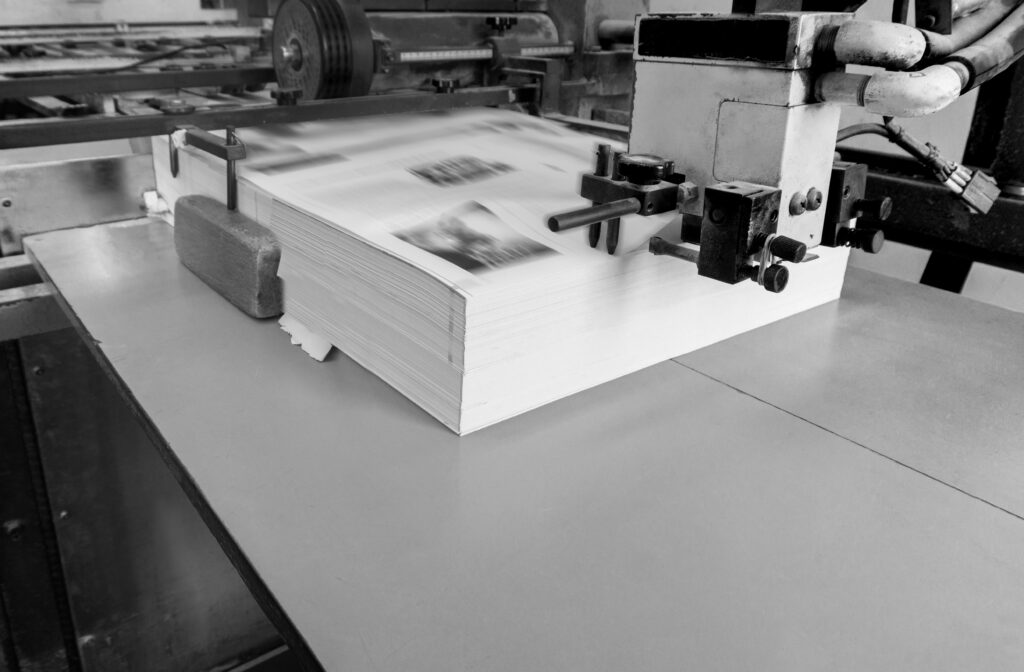
The bridge between craft and the future

We are developing our ecosystem because we believe that artificial intelligence should not replace talent, but provide an invisible infrastructure that strengthens the capabilities of the people who bring books to life.

Our Founding Principles

Five key principles that define our approach to technology ethics.


People first, always

Technology does not replace authors, editors, librarians, booksellers or distributors. It empowers them. Control, judgment and the final say always remain theirs.

We know the craft

We respect book culture and its ecosystem. Our tools speak the language of each profession, not the language of software

Imagination over automation

We measure success not in completed tasks, but in creative space reclaimed. We are useful when using our tools helps someone think and create better.

Transparency (explainable AI) and regulatory compliance

Everything we build can be explained, and we develop our solutions in accordance with current data protection and artificial intelligence regulations (GDPR, LOPDGDD and the EU AI Act), ensuring safe, reliable and lawful use.


Quality without compromise

We work by the same principle that defines the publishing industry: like a good editor, we release nothing unless it meets the standard. Our ecosystem does not automate decisions; it ensures that every work retains its standard of excellence.

The minds
behind the engine

Behind the platforms, orchestrators and agents are our founding partners: professionals with more than 20 years of experience in engineering, publishing and culture. Alongside them, a multidisciplinary team of AI engineers, developers, editors and linguists works to put the most advanced engineering at the service of words and culture.

Our head office is in Madrid, Spain, and we work in a hybrid model, with a team distributed across different locations. This helps us better understand the diversity of the contexts in which we operate.

Raúl Alonso

Raúl Alonso is an editor and a web programming specialist trained at the University of Alicante. Since 2022, he has specialized in AI for publishing. In 2024, he began developing a comprehensive AI-powered publishing management platform based on ‘reactive computational publishing’, which became the core of Editavia in 2026. He is a founding partner and Product Owner.

Alberto Valero

Alberto Valero holds a PhD in Computer and Systems Engineering from Sapienza University of Rome and a degree in Industrial Engineering from the Technical University of Madrid. An executive with a strong track record in technology, education and artificial intelligence, he combines his professional work with teaching. He is a founding partner of Editavia.

Arantza Larrauri

Arantza Larrauri has been an executive in the book industry for more than 20 years. Through her family office, she invests in a range of projects and companies. Her family office is a founding partner of Editavia. Arantza combines her executive and investment work with teaching, contributions to book industry media, and writing poetry and short stories.

Alberto Méndez

Alberto Méndez is a leading entrepreneur in the Spanish technology sector, with extensive experience in creating and developing innovative projects and turning startups into leading companies. Co-founder of Bq, he has driven initiatives to democratize access to technology, engineering, culture and education. Bq is one of Editavia’s founding partners.

Miguel Ángel Sánchez

Miguel Ángel Sánchez is a computer engineer with more than two decades of experience in publishing, printing, entrepreneurship and international expansion. He is director of Grupo IC, which includes Innovación y Cualificación and Podiprint, and a founding partner of Editavia.

Publishing intelligence starts here

Artificial intelligence opens up a new way of working in the world of books. It does not replace editorial judgment; it expands its reach and makes room for what no machine can do: imagine, think, create and decide.